Insider tips for quick rubbish removal for Walthamstow traders
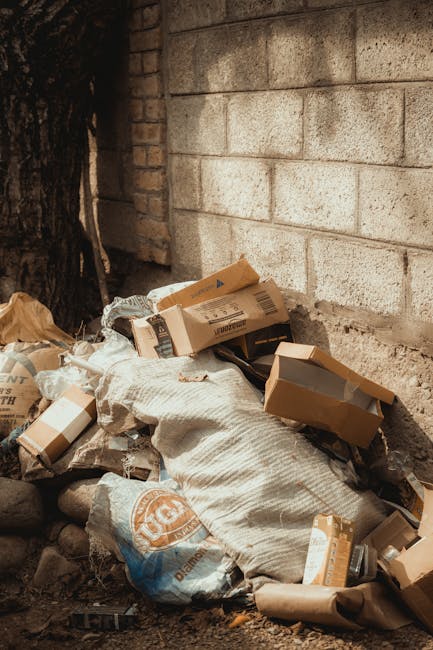
If you run a shop, cafe, market stall, workshop, or small unit in Walthamstow, you already know the awkward truth: rubbish never seems to leave at a convenient time. One busy delivery day, a burst cardboard backlog, or a pile of broken display fittings can slow everything down fast. That is where insider tips for quick rubbish removal for Walthamstow traders really help. The goal is simple enough, but not always easy in practice: get waste cleared quickly, keep the premises safe and tidy, and avoid those annoying delays that turn into lost selling time.
In our experience, the businesses that manage waste best are not necessarily the biggest. They are the ones with a repeatable routine, a clear plan for sorting waste, and a sensible way to book collections before the pile becomes a problem. This guide breaks down what works, what to avoid, and how to make rubbish removal feel less like a last-minute panic and more like a smooth part of trading.
Whether you are clearing packaging after stock day, dealing with old furniture, or making room before a refit, the right approach can save a surprising amount of time. And yes, that includes the little things people often forget, like access, timing, and separating recyclable material before collection. Tiny details. Big difference.
Why quick rubbish removal matters for traders
For Walthamstow traders, waste is not just an eyesore. It can affect footfall, staff safety, storage space, and how professional your business looks from the pavement. If a delivery cage, stock room, or yard starts filling with broken packaging and redundant fixtures, it becomes harder to move, harder to clean, and harder to stay organised. That sounds obvious, but in a small trading space the problem grows quickly.
There is also the local reality of trading in a busy part of London. Access can be tight, parking can be awkward, and collection timing often matters more than people expect. You may only have a narrow loading window, or you might need rubbish gone before the next customer rush. Let's face it, nobody wants to drag a sack of waste through the front of the shop while customers are queuing for coffee.
Quick removal matters because it protects momentum. A tidy workspace helps staff work faster, reduces trip hazards, and prevents waste from becoming mixed together. Mixed waste is where delays start. Cardboard becomes wet, wood gets tangled with fixtures, and recyclable items stop being recyclable. Once that happens, disposal can take longer and cost more.
There is a branding angle too. Customers notice the edges of your operation even if they never say it out loud. Clean entrances, uncluttered storage, and a clear system for waste all suggest a business that pays attention. That kind of trust builds quietly.
Practical takeaway: the fastest rubbish removal is usually the one planned before the waste appears, not the one arranged after the pile gets awkward.
How quick rubbish removal works in practice
At a basic level, quick rubbish removal is about matching the right type of waste clearance to the right kind of waste. Traders usually generate one of a few common waste streams: cardboard, packaging, old displays, broken stock, damaged shelving, office clutter, or bulky items like chairs and fridges. The better you know what you have, the easier it is to clear it quickly.
A typical process looks like this:
- Identify the waste type. Separate bulky items, recyclables, general rubbish, and anything that may need special handling.
- Estimate the volume. A small van load, a half load, or a bigger job can change the practical approach. Be honest here. Guessing low causes delays later.
- Check access. Think about stairs, narrow shopfronts, shared yards, timed loading bays, or awkward back entrances.
- Prepare the load. Break down boxes, empty containers, and keep similar materials together where possible.
- Choose the right collection time. Early morning, after closing, or during a quieter period is often easiest for traders.
- Complete the handover safely. Clear routes, protect staff, and make sure waste can be removed without disrupting trading.
The key idea is speed without chaos. A quick clearance is not just about someone arriving with a van. It is about reducing friction at every stage. The best jobs are usually the boring ones, honestly, because everything has been thought through already.
If the waste includes confidential paper records, electrical items, refrigeration units, or anything potentially hazardous, the process becomes more specific. That is where choosing the right service matters more than choosing the cheapest-looking option. One wrong assumption can waste a morning.
For businesses that regularly generate mixed waste, a broader business waste arrangement can make life easier. If you want a service designed for ongoing commercial needs, take a look at business waste removal. For one-off clearances, especially after a refit or stock reset, waste removal is the more flexible route.
Key benefits and practical advantages
Quick rubbish removal gives traders more than a clean floor. It creates breathing room. That sounds simple, but anyone who has worked in a tight back room knows how valuable breathing room is on a frantic Tuesday afternoon.
- Less disruption to trading. Clearing waste efficiently reduces the chance of blocked aisles, messy stock areas, or front-of-house clutter.
- Better use of limited space. In small premises, reclaiming even a few square metres can make a real difference.
- Safer working conditions. Fewer obstructions means lower trip risk and easier movement for staff.
- Improved presentation. Customers tend to notice tidiness, even subconsciously.
- Faster turnaround after deliveries or refurbishments. When waste leaves promptly, normal operations resume sooner.
- More predictable costs. Planning waste properly often avoids emergency callouts or avoidable surcharges.
There is a hidden benefit too: team morale. Nobody loves working around a pile of flattened boxes or broken fittings. It creates a dragging feeling, a kind of background mess that makes everything seem harder. Clear it, and the room feels lighter immediately. You can almost hear the place settle.
| Benefit | What it means for traders | Why it matters in practice |
|---|---|---|
| Faster clearance | Waste leaves before it builds up | Protects trading space and saves time |
| Better sorting | Recyclables and mixed waste handled separately | Can reduce unnecessary disposal hassle |
| Cleaner premises | Less clutter around the shop or unit | Improves customer impression and staff workflow |
| Lower stress | A plan replaces last-minute panic | Makes busy days more manageable |
Who this is for and when it makes sense
This approach is for any Walthamstow trader who deals with regular or occasional waste and needs it gone without drama. That includes independent retailers, market traders, hospitality businesses, small offices, workshops, salons, and property managers handling commercial units.
You may especially need quick rubbish removal if you are:
- clearing stock after a delivery day
- making room for a refit or display change
- getting rid of bulky packaging after opening boxes
- removing damaged furniture or fixtures
- handling end-of-lease or end-of-season clearouts
- dealing with clutter that has slowly taken over storage space
It also makes sense when timing is tight. For example, if you have an early customer rush, a supplier arriving soon after, or shared access with neighbours, you do not want waste hanging about. A smooth collection window can save a lot of awkward shuffling.
Truth be told, some traders wait until the problem is already in the way. That is usually when costs rise and planning gets harder. If you can deal with waste before it becomes a floor-to-ceiling issue, you are already ahead. Not glamorous, but effective.
Businesses with sensitive documents should consider secure destruction as well. If you hold old paperwork, customer records, or staff files, a confidential shredding service can be useful alongside standard waste clearance. If that is part of your setup, see confidential shredding.
Step-by-step guidance
Here is a practical way to organise fast rubbish removal without turning the day upside down.
1. Do a five-minute waste scan
Walk the premises and look at what needs to go. Be specific. Cardboard, display units, old stock, paper, pallets, broken appliances, general waste. This first scan stops people from speaking in vague terms like "a bit of rubbish" when it is actually two separate jobs.
2. Sort by type and urgency
Separate what can be recycled, what is bulky, and what needs extra care. Anything with sharp edges or heavy components should be isolated. If there are electrical items, keep them together rather than hiding them in a mixed pile. That makes collection safer and quicker.
3. Measure the access route
This is the step people forget. Is the waste going out through the shopfront, the rear alley, a service yard, or stairs? Is there room to park? Can the waste be loaded without blocking customers or neighbours? A job that looks small on paper can become slow if the access is fiddly.
4. Pick the right time slot
For traders, timing often matters more than volume. Early starts, lunch lulls, or after-hours collections can be much easier than mid-morning. If your shop gets noisy or busy at certain times, avoid them. Why make life harder?
5. Make the waste collection-ready
Break down cardboard, empty bags where possible, and stack items so they can be lifted safely. Keep walkways open. If staff are helping, give them a simple instruction: move only the agreed items. That small line prevents accidental shifting of things you were planning to keep.
6. Confirm the load and any special items
Before collection, be clear about items such as fridges, mattresses, office chairs, or anything potentially hazardous. The clearer you are up front, the faster the job usually runs. Surprises are fun in some parts of life. Waste removal is not one of them.
7. Review what caused the buildup
After the collection, ask one sensible question: what created the backlog in the first place? Maybe deliveries arrive before you have time to break boxes down. Maybe storage is too tight. Maybe there is no designated waste zone. Fixing the cause makes the next clearance easier.
Expert tips for better results
Here is where a little experience goes a long way. These are the things that usually separate a quick, tidy clearance from a messy one.
- Pre-break large cardboard. Flat-packed waste loads faster and takes up less room.
- Keep reusable items separate. Don't let salvageable furniture get mixed into the general pile if you might sell, reuse, or donate it later.
- Use a designated waste corner. One obvious location for rubbish saves staff from scattering it across the premises.
- Label special items clearly. A sticky note on an electrical item or sharp object can prevent confusion during collection.
- Match clearance to trading rhythm. Monday morning might be quieter for one business, useless for another. Choose the slot that suits your real footfall.
- Keep a recurring waste log. Even a simple notebook or phone note helps you spot patterns in what builds up and when.
- Ask about loading time before booking. If access is awkward, say so. Honest details up front usually save time later.
One small but powerful habit is to train staff to fold down boxes the moment they are empty. It takes seconds, but across a week it can prevent that familiar back-room mountain that seems to appear out of nowhere. Funny how rubbish multiplies when nobody is looking.
If your clear-out includes old shop fittings or unwanted office furniture, a dedicated furniture or office clearance option is often faster than trying to handle everything through general waste. Useful places to look include office clearance and furniture clearance.
Common mistakes to avoid
Fast rubbish removal can go wrong in predictable ways. The good news is that most of these mistakes are avoidable once you know what to watch for.
- Waiting too long to book. If the waste is already blocking access, every step gets harder.
- Mixing different waste types together. This is one of the fastest ways to slow a collection down.
- Underestimating volume. What looks like "a few bags" often turns into much more once it is gathered properly.
- Ignoring access issues. Narrow doors, stairs, and parking restrictions should be mentioned early.
- Forgetting about heavy or awkward items. One bulky item can change the whole plan.
- Assuming all waste can be treated the same. It cannot. Electricals, sharps, and certain materials may need different handling.
- Not preparing the route. A clear path saves time and reduces the chance of damage.
Another common error is leaving the decision until the end of the day, when staff are tired and the premises are still active. That is usually when small decisions become annoying decisions. Better to sort it early, while everyone still has a bit of bandwidth.
And yes, the "we'll deal with it later" approach is tempting. It is also how a tidy back room becomes a storage cave.
Tools, resources and recommendations
You do not need a huge toolkit to keep rubbish removal moving. A few practical items make a real difference.
- Heavy-duty sacks or boxes for separating waste types
- Marker pens and labels for identifying special items
- Box cutters or tape cutters for flattening packaging safely
- Protective gloves for staff handling rough or sharp-edged material
- Trolleys or sack trucks for moving bulky items through narrow spaces
- A waste log or simple checklist to track recurring disposal needs
On the service side, it helps to know what type of clearance you need. A business may only need one-off removal after a clear-out, or it may need a more regular arrangement. If you are dealing with larger renovation waste, builders waste clearance may be more suitable. If the issue is mixed household-style clutter in a commercial property, then home clearance or house clearance style services may be relevant where the property use overlaps.
For businesses that want to stay organised over time, it is worth reading up on wider sustainability practices too. Responsible sorting, recycling where possible, and reducing unnecessary waste all make operations smoother. If you are interested in that angle, recycling and sustainability is a sensible place to start.
Law, compliance, standards and best practice
Waste handling is one of those areas where common sense matters, but so does proper practice. Traders should be careful about how waste is stored, sorted, and handed over. In the UK, commercial waste must be managed responsibly, and businesses generally need to make sure it goes to an authorised carrier. You do not need to become a legal expert, but you should never hand over business waste to someone who seems vague about what happens next.
Best practice usually includes:
- using a legitimate waste carrier
- keeping waste separated where practical
- storing it safely so it does not create a hazard
- handling electrical, sharp, or hazardous items appropriately
- keeping records where needed for business waste management
For items such as chemicals, solvents, contaminated materials, or other higher-risk waste, you should take extra care and use the correct disposal route. If a waste stream is potentially hazardous, do not guess. That is the point where caution stops being optional. A well-run business protects people first and cleans up after that.
Health and safety also matter in day-to-day handling. Routes should stay clear, lifting should be sensible, and staff should not be asked to carry heavy items without suitable equipment. If you are building a safer routine in your business, the guidance in health and safety policy and insurance and safety can support your internal approach.
If you need a specific route for awkward or specialist waste, browse hazardous waste disposal or fridge and appliance removal rather than improvising. It is usually faster in the long run, not slower.
Options, methods, or comparison table
Different situations call for different methods. A trader clearing three bags of cardboard does not need the same setup as a cafe replacing its kitchen storage or a retailer emptying an entire unit. Picking the right option is a speed decision as much as a cost decision.
| Method | Best for | Strengths | Watch-outs |
|---|---|---|---|
| Regular business waste arrangement | Ongoing commercial rubbish | Predictable, easy to maintain | May not suit one-off bulky jobs |
| One-off rubbish removal | Clear-outs, refits, sudden backlog | Flexible and fast | Needs accurate volume estimate |
| Bulky item clearance | Furniture, fittings, appliances | Good for awkward loads | May require more preparation |
| Specialist waste handling | Hazardous, electrical, confidential waste | Safer and more compliant | Requires clearer planning |
There is no single perfect method. There is only the best fit for the job in front of you. If you get that part right, everything else tends to become easier. That is the whole trick, really.
Case study or real-world example
Here is a straightforward example from a typical trading scenario. A small Walthamstow retailer receives a large seasonal delivery and ends up with a stack of broken-down cardboard, damaged shelf packaging, and a few old display fixtures that no longer suit the layout. The stockroom is not huge, and every inch matters because the next delivery is due in two days.
Instead of leaving it all until the pile becomes unmanageable, the team sorts the waste into three groups: flat cardboard, bulky fittings, and general waste. They move the bulky items to one corner near the rear exit, keep the route clear, and book a collection for an early slot before trading gets busy. One staff member labels the appliance item separately, because nobody wants confusion once the van arrives.
The result is simple but effective. The collection runs faster, the shop regains floor space, and staff stop working around the clutter. Nothing dramatic. Just a smoother day. You can feel the difference when the room is clear; it is quieter somehow, less like the place is holding its breath.
For businesses with similar clear-outs, this kind of planning often beats trying to solve everything on the spot. If the job includes mixed furniture and general waste, pairing mattress and sofa disposal with a broader clearance plan may help keep things moving. If the problem is mainly old office clutter, an office clearance style approach is usually the cleaner fit.
Practical checklist
Use this checklist before booking or starting a clearance. It keeps things quick and reduces last-minute surprises.
- Have I identified the waste type clearly?
- Have I separated cardboard, bulky items, recyclables, and any special waste?
- Do I know the collection route and access point?
- Have I checked whether parking or loading space is needed?
- Is the waste bagged, stacked, or flattened where possible?
- Have I flagged heavy, sharp, electrical, or hazardous items?
- Have I chosen a sensible collection time for the business?
- Is the route clear of customers, staff, and stock?
- Do I know whether the job is one-off or recurring?
- Have I reviewed what caused the waste buildup in the first place?
If you can tick most of those boxes, the collection should feel much smoother. Not perfect, maybe. But controlled. And controlled is good.
For traders who need a broader view of cost planning, pricing and quotes can help set expectations before the waste starts stacking up.
Conclusion
Quick rubbish removal for Walthamstow traders is really about keeping control. When waste is sorted early, access is thought through, and the right collection method is chosen, the whole process becomes quicker and less stressful. That means less clutter, safer movement, and a business that feels more organised from the first step inside.
The best insider tips are usually the practical ones: flatten packaging, label special items, choose sensible timing, and do not underestimate how much easier a job becomes when you prepare it properly. Simple, yes. But simple done well is often what keeps a busy trade space running smoothly.
If your premises are due for a tidy-up, a stock reset, or a bigger clear-out, start with a plan rather than a panic. It will save you time, and probably a bit of patience too.
Get a free quote today and see how much you can save.
And if you are the sort of trader who likes things done properly the first time, that calm, clear back room can make all the difference. One less thing to worry about.
Frequently Asked Questions
What is the fastest way to arrange rubbish removal for a small business in Walthamstow?
The fastest way is to identify the waste type, separate bulky items from general rubbish, and book a collection at a time that fits your trading pattern. If access is tight, mention it early so the job can be planned properly.
Can I mix cardboard, furniture, and general rubbish together?
You can, but it often slows things down. Mixed loads are harder to sort and may reduce recycling options. Separating waste first usually makes removal quicker and cleaner.
How do I know if my waste needs special handling?
If the waste includes electrical items, sharp materials, chemicals, fridges, or anything contaminated, it may need specialist handling. When in doubt, treat it cautiously rather than guessing.
Is same-day rubbish removal realistic for traders?
Sometimes, yes, especially for smaller loads or urgent clearances with straightforward access. But same-day work depends on timing, volume, and what kind of waste you have. Early contact helps.
What should I do before a collection to save time?
Flatten cardboard, group similar items together, clear walkways, and make sure the collection point is easy to reach. That small bit of prep can cut a lot of waiting around.
How can I avoid hidden costs when booking waste removal?
Be accurate about the amount of waste, mention awkward access, and explain any special items in advance. Surprises are what usually lead to extra cost or delay.
Do traders need to keep records of their waste disposal?
For business waste, keeping records is generally a sensible part of good practice. It helps show that waste has been managed responsibly and makes repeat collections easier to track.
What if I only have a small amount of rubbish, not a full load?
Small jobs can still be worthwhile if they are cluttering the workspace or blocking storage. A little pile can become a big problem if it keeps growing, so do not ignore it.
Can I use a general clearance service for appliances and furniture?
Often, yes, but specific items like fridges or large sofas may need dedicated handling. It is better to mention them when booking so the right method can be used.
How often should a trader clear waste?
That depends on the business. Some traders need daily or weekly removal, while others only need occasional clear-outs. The right frequency is the one that stops waste from affecting trading space or safety.
What is the best time of day for rubbish collection?
The best time is usually when customer flow is lowest and loading access is easiest. For many traders that means early morning, after closing, or during a quiet mid-afternoon window.
Why is rubbish removal harder for small shops and stalls?
Small sites often have tighter access, less storage, and less room to stage waste. That means planning matters more. But once the process is set up properly, it becomes much easier to repeat.
About the team behind the service can also help you understand the approach if you want a clearer sense of how the work is handled. For booking or a direct enquiry, use contact us or book online when you are ready.