Waltham Forest council rules on fly tipping and rubbish disposal
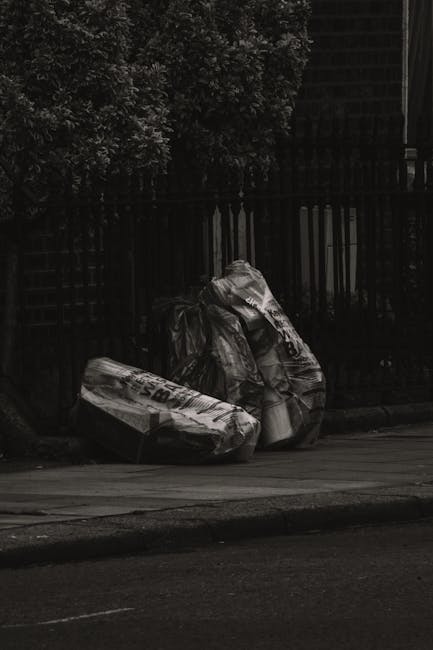
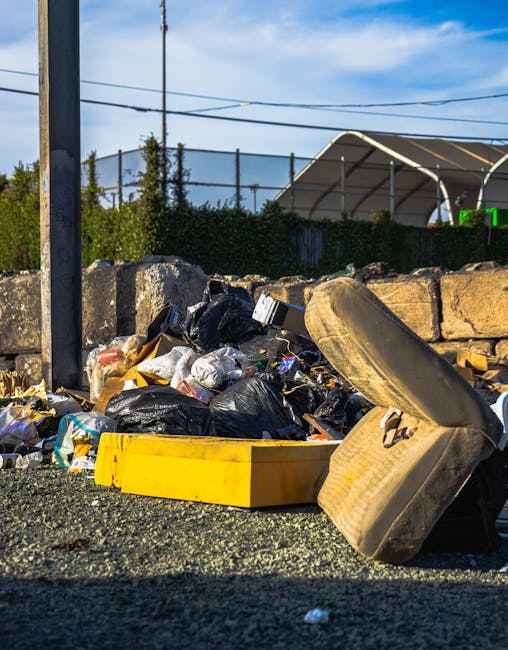
If you have ever stared at a pile of rubbish by the kerb and wondered whether it is fine to leave it there for "just a few hours", you are not alone. The trouble is, Waltham Forest council rules on fly tipping and rubbish disposal are not the sort of thing you want to get wrong by accident. A bag left in the wrong place, a sofa dumped too early, or builder's waste handed over to the wrong person can quickly become a messy problem for you, your neighbours, and the council.
This guide breaks down the basics in plain English: what counts as fly tipping, what proper rubbish disposal looks like, how the rules usually work in practice, and how to stay on the right side of local expectations. It also covers common mistakes, useful checks before you book a clearance, and a few real-world scenarios that tend to catch people out. Truth be told, a little care here saves a lot of stress later.
- Why these rules matter
- How the council approach works
- Key benefits and practical advantages
- Who needs this guidance
- Step-by-step guidance
- Expert tips for better results
- Common mistakes to avoid
- Tools, resources and recommendations
- Law, compliance and best practice
- Options and comparison
- Real-world example
- Practical checklist
- Conclusion
- Frequently asked questions
Why Waltham Forest council rules on fly tipping and rubbish disposal Matters
Fly tipping is not just an eyesore. It can block pavements, attract pests, create hazards for children and cyclists, and leave residents dealing with a nasty smell on a warm afternoon. Nobody wants to step outside and find bags torn open by foxes before breakfast. It happens, though, and once waste is abandoned illegally it often spreads fast.
For householders, landlords, tenants, builders, and local businesses, the main issue is responsibility. In the UK, waste has to be handled properly from the moment it leaves your property. If you hand it to someone who is not licensed or you do not check where it is going, you can still end up carrying the blame. That is why the rules around rubbish disposal are about more than tidiness. They are about duty of care, evidence, and making sensible choices.
In a place like Waltham Forest, where streets are busy and homes are often close together, the margin for error is small. One abandoned mattress or pile of plasterboard can quickly become a neighbourhood issue. If you are planning a bigger clear-out, it helps to think ahead about how the waste will be sorted, carried, and documented. A little planning goes a long way, honestly.
Practical takeaway: If the waste came from your property, you should be able to explain who collected it, where it went, and why that route was lawful and sensible. If you cannot, that is a warning sign.
How Waltham Forest council rules on fly tipping and rubbish disposal Works
At a practical level, the council expects residents and businesses to dispose of waste responsibly and in the correct channels. That usually means using your own bins correctly, booking the proper collection or drop-off option where available, and never leaving waste on public land, beside communal bins, or outside a property unless it is specifically authorised for collection.
Fly tipping is the illegal dumping of waste. That includes a single bin bag left in a layby, but it also includes larger items such as furniture, appliances, building rubble, or garden cuttings left where they should not be. The label "illegal" matters here. Once waste is dumped unlawfully, the council can investigate, issue notices, and sometimes pursue enforcement action depending on the circumstances.
Rubbish disposal, by contrast, is the lawful route. It may involve standard household bins, bulky waste arrangements, licensed clearance services, skip hire where appropriate, or a specialist route for items such as electrical appliances or hazardous waste. The exact method depends on what the waste is, how much there is, and whether it needs special handling. A fridge is not treated like a cardboard box. That much is obvious once you say it aloud, but people do get caught out by it.
There is also a distinction between what is technically allowed and what is practically smart. For example, you might be able to move rubbish from one place to another yourself, but if it blocks access, spills, or contains sharp or contaminated material, you are creating a risk. Councils, neighbours, and waste carriers all tend to care less about excuses and more about whether the waste was handled safely.
Key Benefits and Practical Advantages
Following the rules is not just about avoiding trouble. It makes day-to-day life easier, especially during a clear-out, move, refurbishment, or tenancy change. Here are the main advantages people notice most.
- Lower enforcement risk: Proper disposal reduces the chance of fines, notices, or disputes over who dumped what.
- Cleaner streets and shared spaces: Less dumped waste means safer, tidier neighbourhoods and fewer complaints from neighbours.
- Better recycling outcomes: A well-planned clearance can separate reusable and recyclable items from general rubbish.
- Less stress during a busy move: If the waste plan is clear, the rest of the job tends to run smoother.
- Safer handling of awkward items: Mattresses, fridges, and builder's waste are easier to manage when you use the right route.
There is also a quieter benefit that people sometimes overlook: peace of mind. When waste is removed correctly, you do not have to wonder whether a bag will come back to haunt you in a complaint email or an inspection. That alone is worth a lot. To be fair, most people just want the rubbish gone without drama. Fair enough.
Who This Is For and When It Makes Sense
This guidance is useful for just about anyone who handles waste in Waltham Forest, but a few groups need it most:
- Tenants and flat-sharers clearing a room, moving out, or replacing furniture.
- Homeowners dealing with loft clutter, garage waste, or garden cuttings.
- Landlords and letting agents arranging end-of-tenancy clearances and post-tenant rubbish removal.
- Builders and tradespeople managing renovation waste, broken materials, and packaging.
- Small businesses and offices clearing old desks, documents, storage items, and equipment.
It also makes sense when you have waste that is too bulky, too awkward, or too mixed to fit into your normal waste routine. Think of a broken wardrobe, an old sofa, half a garage full of odds and ends, or a stack of materials from a kitchen refit. Those jobs usually need more than a few bin bags and good intentions.
If you are unsure whether your waste is straightforward or needs specialist handling, it is better to pause and check before anything is left on the street. That pause can save you from the sort of mistake people regret at 8 a.m. on bin day.
Step-by-Step Guidance
Here is the simplest way to deal with rubbish disposal without drifting into fly tipping territory.
- Identify the waste properly. Separate household rubbish, recyclable materials, bulky items, electricals, and anything potentially hazardous.
- Check what needs special treatment. Fridges, mattresses, chemicals, plasterboard, paint, batteries, and mixed construction waste may need dedicated handling.
- Decide whether you can use normal collections. Small household waste usually can. Larger or awkward items often cannot.
- Choose a lawful removal route. That may mean a licensed waste carrier, a council-approved collection method, or another compliant solution.
- Keep your evidence. Ask for a receipt or paperwork showing what was collected and by whom. Keep it somewhere sensible.
- Do not leave waste out early. Place it out only when and where collection is expected. A few hours early can still become a problem.
Here is the thing: the waste does not need to be glamorous, but the process does need to be tidy. If you are dealing with a whole flat clearance or a house full of old furniture, work room by room. That stops the "everything in one corner" chaos that usually leads to mistakes.
For larger jobs, the safest route is often a professional clearance service. If you are comparing options, you can also look at the company's recycling and sustainability approach and check how they manage broader waste removal projects. For mixed household items, a planned home clearance can be more efficient than trying to stagger everything over several weekends.
Expert Tips for Better Results
In our experience, the best waste jobs are the ones that are boring in all the right ways. No surprises, no mystery bags, no last-minute panic. The following habits help a lot.
- Sort before anyone arrives. Put furniture, metal, cardboard, electricals, and general rubbish into separate piles if you can.
- Watch for hidden nasties. A cupboard may look harmless until you find old paint, screws, or paperwork inside.
- Think about access. Stairs, narrow hallways, and parking restrictions can slow down collection and increase the chance of items being left improperly.
- Do not mix hazardous items with regular rubbish. A bag of general waste and a tin of solvent should not travel together. That is a bad idea, full stop.
- Photograph items before disposal if needed. This helps if you are a landlord, managing agent, or business keeping records.
A small but useful habit: tape doors shut on items like fridges or cabinets if they are being moved through shared areas. It sounds minor, but it saves knocks, snags, and the odd muttered complaint in the stairwell.
If your clearance involves bulky furniture, old appliances, or mixed domestic junk, it can be worth reading about furniture disposal, fridge and appliance removal, or even mattress and sofa disposal so you know what needs special care.
Common Mistakes to Avoid
The biggest mistakes are usually not dramatic. They are the small, careless ones.
- Leaving waste outside too soon. If the collection is tomorrow, do not put it out today unless you are sure that is allowed.
- Assuming "someone will take it". If you hand rubbish to an unverified collector, you may still be responsible if it ends up dumped.
- Mixing different waste types. Mixed loads can become more expensive to process and harder to dispose of properly.
- Forgetting about shared responsibility. In flats, courtyards, and HMOs, it is not always obvious who left the waste. That is where disputes start.
- Throwing everything into a skip without checking. Some items are restricted, and overfilling or under-covering a skip can create problems.
One of the most common scenes we see is the "just for a minute" pile near a doorway. It starts with one bag, then a chair, then a broken shelf. Next thing, the whole corner looks like a forgotten storage room. Annoying, and avoidable.
Tools, Resources and Recommendations
You do not need specialist software or a complicated system to manage rubbish properly. A few simple tools go a long way.
- Labels or marker pens: Useful for marking what is reusable, recyclable, or for disposal.
- Heavy-duty sacks and boxes: Better than loose piles, especially for sharp or small mixed items.
- A phone camera: Handy for record-keeping before and after a clearance.
- Basic gloves and sturdy shoes: Sensible for anyone sorting waste at home.
- A trusted clearance plan: Decide what happens to each item before moving it.
For bigger domestic or business clear-outs, a structured service can reduce the risk of accidental fly tipping simply because the collection, sorting, and removal are handled in one flow. If you want to understand how a company approaches more complex jobs, pages such as house clearance, flat clearance, and office clearance can be useful starting points.
For trade waste, particularly around renovation work, builders waste clearance is often the safer route than trying to piece together multiple disposal methods. And if you are dealing with business waste more generally, it is worth looking at business waste removal so records and handling stay in order.
Law, Compliance, Standards, or Best Practice
Waste handling in the UK sits within a wider legal and practical framework. Without turning this into a law lecture, the important point is simple: if you produce waste, you are responsible for making sure it is handled correctly. That is the basic principle people should keep in mind.
For households, that means using collections and disposal routes properly and not leaving items where they do not belong. For landlords and businesses, the expectations are higher. You are generally expected to keep better records, choose reputable waste carriers, and avoid handing waste to anyone whose credentials are unclear. If waste is fly tipped after collection, poor checking can become your headache.
Best practice also means separating hazardous waste from ordinary rubbish. Items such as chemicals, asbestos-like materials, batteries, oils, and some electrical components may need specialist attention. The same applies to confidential documents; they are not something to toss into a general bin if you have privacy obligations. A service like confidential shredding exists for a reason.
There is also a common-sense compliance angle around safety. If waste is difficult to move, heavy, or likely to break, the way it is lifted and loaded matters. Proper training, insurance, and a clear health and safety approach make a real difference. That is why companies often explain their health and safety policy and insurance and safety practices openly.
If you are ever unsure, treat uncertainty as a signal to slow down, not speed up. That is usually where things go wrong.
Options, Methods, or Comparison Table
Different waste situations call for different methods. A quick comparison helps clarify what usually fits best.
| Method | Best for | Strengths | Watch-outs |
|---|---|---|---|
| Normal council-style bin disposal | Everyday household rubbish | Simple, familiar, low effort | Not suitable for bulky or specialist items |
| Bulky item collection or clearance | Furniture, appliances, mixed household waste | Handles awkward items in one go | Needs correct scheduling and item preparation |
| Skip hire | Projects with steady waste output | Convenient for DIY and refurb work | Must avoid prohibited items and overfilling |
| Licensed waste clearance service | Mixed, bulky, or time-sensitive waste | Flexible, efficient, often less hassle | Choose a reputable operator and keep paperwork |
If your job is more like a room-by-room clear-out than a simple bin emptying, a structured service usually wins on time and sanity. For example, a loft clearance often reveals old furniture, boxes, seasonal clutter, and the occasional forgotten appliance. That is not really a "bin bag job".
Case Study or Real-World Example
Imagine a family clearing a rented flat after a long tenancy. There is a broken bedside cabinet, two mattresses, a pile of cardboard, an old microwave, and a few bags of mixed rubbish. They are moving on Friday afternoon, the lift is narrow, and the hallway is shared. Not ideal.
If they leave the waste by the entrance overnight, it risks becoming fly tipping in the eyes of neighbours or enforcement teams if it is not clearly authorised and collected on time. If they hand the waste to a random passer-by offering to "take it away cheap", they may later discover it dumped near a service road. That is exactly the kind of headache people remember for months.
The better approach is to separate what can be recycled, set aside anything that needs special handling, and use a proper clearance option for the bulky material. In practice, that might mean arranging a combined removal for furniture, appliances, and general waste, then keeping a simple record of what was taken. The flat is cleared, the stairwell stays tidy, and nobody ends up fielding awkward questions a week later. Nice and boring. That is the goal.
For jobs involving larger household loads, pages like furniture clearance and home clearance are often the most relevant routes to review first.
Practical Checklist
Use this quick checklist before you put any waste out or book a clearance.
- Have I identified every item that needs removing?
- Have I separated general waste from recyclable or specialist waste?
- Do any items need special handling, such as fridges, mattresses, batteries, or chemicals?
- Have I checked whether the collection method is lawful and suitable?
- Do I know who is taking the waste and where it is going?
- Have I kept a record or receipt for the removal?
- Will the items be placed out only at the correct time and place?
- Is the access route safe for lifting and loading?
- Have I thought about neighbours, shared hallways, and parking restrictions?
- Would a professional clearance service save time and reduce risk?
If the answer to any of those feels shaky, slow down and tidy up the plan first. Better that than a rushed decision at the kerbside.
Get a free quote today and see how much you can save.
Conclusion
Waltham Forest council rules on fly tipping and rubbish disposal are really about one thing: taking waste seriously enough to keep it out of the wrong places. That means using the right disposal route, avoiding casual hand-offs, keeping records where needed, and thinking beyond the immediate convenience of getting something out the door.
For most people, the safest path is not complicated. Sort the waste, choose the correct method, and do not leave anything behind for someone else to deal with. If the job is bigger than expected, get help before it turns into a mess. Simple, yes. But simple is often what works best.
And if you are standing there in the hallway, looking at one more sofa or one more stack of bags, remember this: a tidy disposal plan is one of those small wins that makes the whole week feel lighter. That counts for something.
Frequently Asked Questions
What counts as fly tipping in Waltham Forest?
Fly tipping is the illegal dumping of waste on land that is not authorised for it. That can include bags, furniture, building waste, garden cuttings, electrical items, or even one item left where it should not be.
Can I leave rubbish outside my property for collection?
Only if it is placed out in the correct way, at the correct time, and for a lawful collection. Leaving waste out early, blocking access, or putting it in an unauthorised spot can create a problem.
Who is responsible if my rubbish gets fly tipped after collection?
In many cases, the person who produced the waste still has responsibility to check it was handed to a proper operator. That is why it is wise to use a reputable service and keep proof of collection.
Do I need special disposal for fridges, mattresses, or sofas?
Often, yes. Large or specialist items usually need separate handling because of size, materials, or disposal requirements. Services such as fridge and appliance removal and mattress and sofa disposal are designed for that sort of work.
What should I do with builder's waste?
Builder's waste should be handled through a proper route, especially if it includes heavy rubble, plasterboard, timber, or mixed debris. A dedicated builders waste clearance option is usually safer than treating it as general rubbish.
Is it cheaper to dump waste myself?
Sometimes the upfront cost looks lower, but there are hidden risks: transport, time, access issues, and the possibility of getting the disposal method wrong. A well-planned clearance can actually save trouble and money overall.
Can I put everything into one skip?
Not always. Some items are restricted, and mixed loads can create issues. It is worth checking what can go in a skip before loading it. For general guidance, the page on what can go in a skip is a useful reference.
What if I live in a flat or shared building?
Shared buildings need extra care because hallways, entrances, and bins are communal. Waste should never be left where it blocks others or becomes ambiguous. A clear plan matters even more in flats.
Do businesses have different responsibilities?
Yes, businesses usually need to be more careful with records, separation, and choosing compliant waste carriers. If you run an office, shop, or workshop, it is sensible to use a proper business waste arrangement rather than treating it like domestic rubbish.
How can I make sure my waste is being handled properly?
Ask how the waste will be collected, transported, sorted, and disposed of. Keep paperwork or a receipt, and make sure you are comfortable with the operator's process before you hand anything over.
What is the best option for a full house clearance?
For a full clear-out, a structured house clearance or home clearance is usually the least stressful route. It helps with sorting, access, and disposal in one organised process rather than several separate trips.
Where do recycling and sustainability fit into rubbish disposal?
They matter a lot. The more waste you separate correctly, the more can be reused or recycled instead of going straight to disposal. It is better for the environment and usually makes the whole job cleaner and easier.
How do I choose a company for waste removal in Waltham Forest?
Look for clear communication, sensible handling of different waste types, and a transparent process. It also helps when a company explains its pricing and quotes, safety standards, and disposal approach in straightforward language.